
Start with identification
Different insects need different approaches. Keep a clear photograph of the insect, note where it was found and record whether you have seen one or several. Avoid choosing a treatment solely from a bite or a mark on fabric.
Our bed bug guide covers one of the most common concerns in more detail. The sections below introduce other household pests.
Fleas
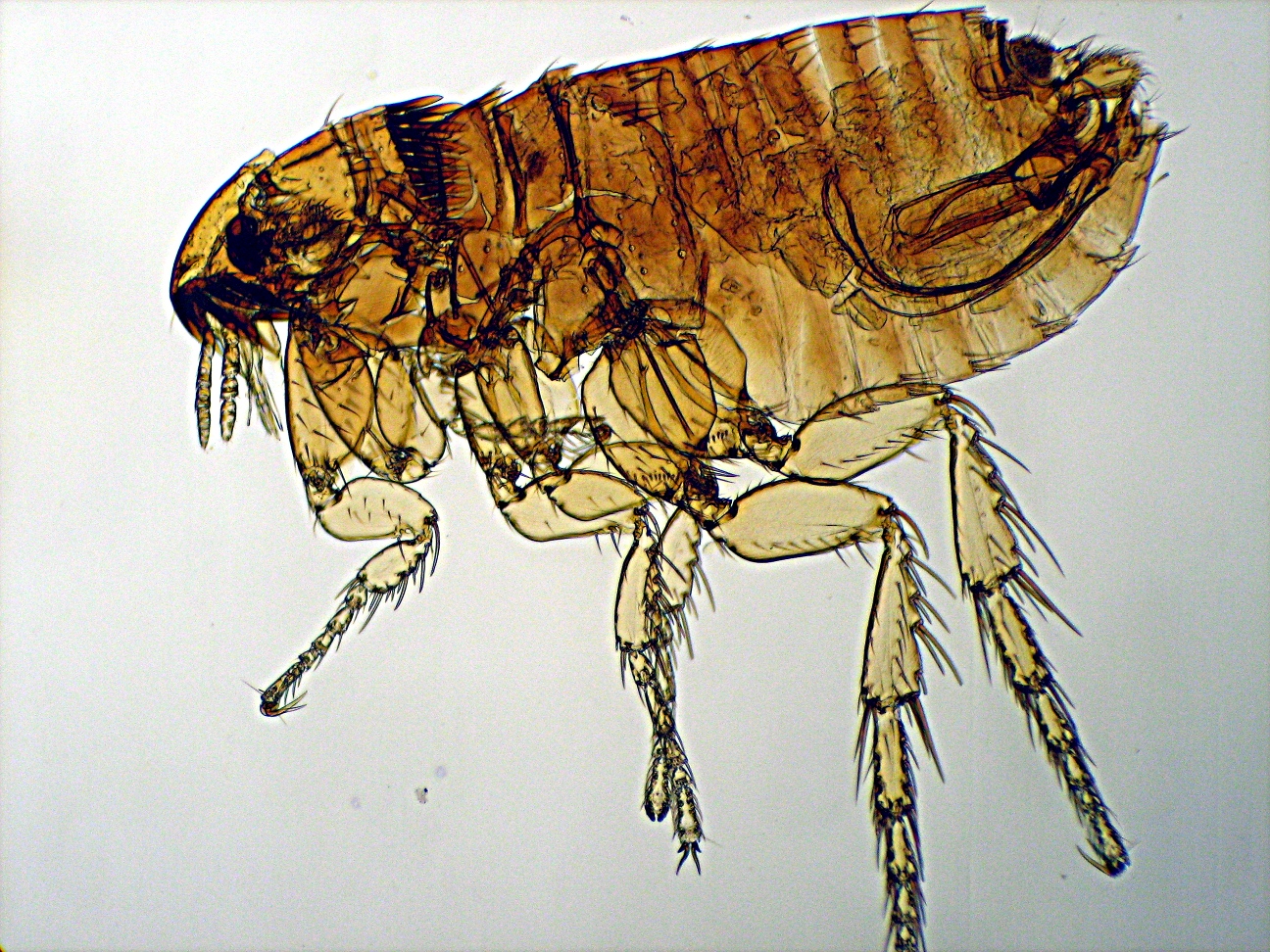

The cat flea (Ctenocephalides felis) is common in the UK and can affect dogs and bite people too. Fleas may be noticed jumping around pet bedding, carpets or upholstered furniture. Pets scratching more than usual can be another clue.
Not every stage of the flea life cycle is on the animal. Eggs, larvae and pupae can be present in the home, so controlling an established problem may require attention to both the pet and its surroundings.
- Ask a vet about suitable pet treatment.
- Vacuum affected areas and dispose of the waste outside.
- Launder pet bedding as its care label allows.
- Follow any preparation and aftercare instructions for premises treatment.
Never apply a product intended for floors or furniture to a pet.
Further reading: BPCA: Flea advice
Life cycle at a glance
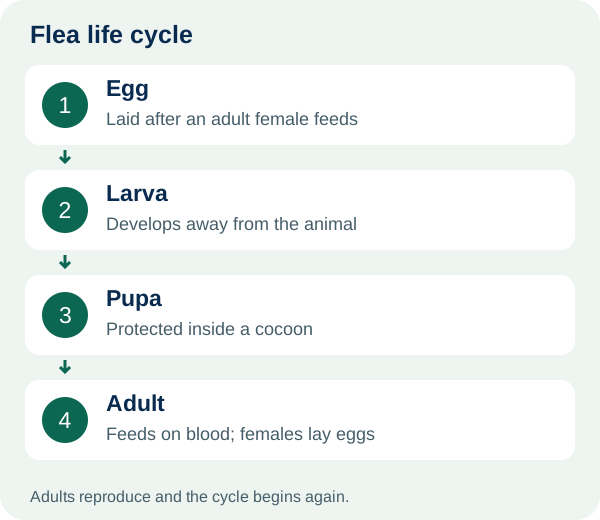
Fleas have four life stages. The overall cycle can take from about two weeks to several months, depending on conditions. Developing stages in the environment help explain why treating only a pet may not solve the problem.
Cockroaches
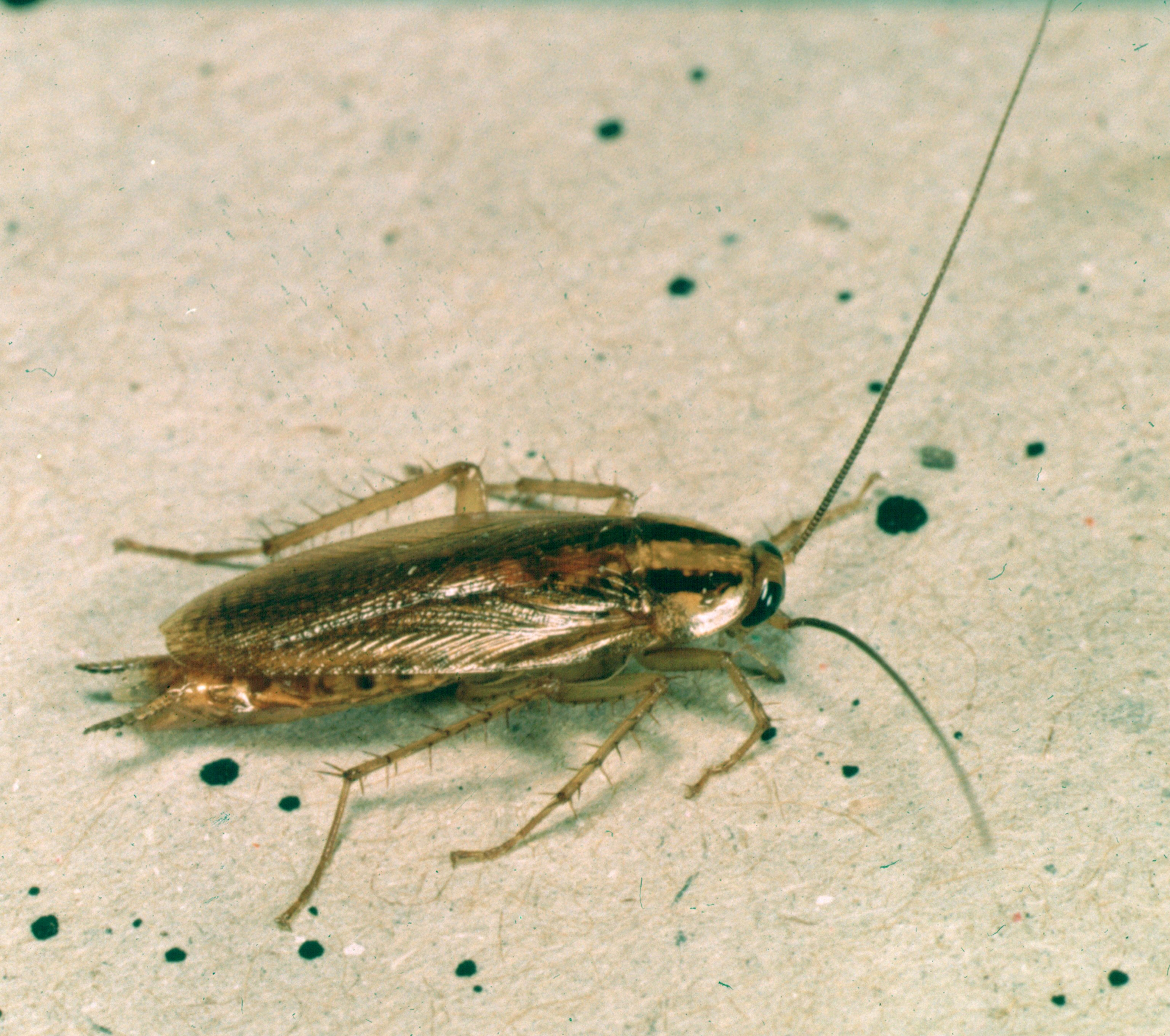

German and Oriental cockroaches are common pest species in UK buildings. German cockroaches often favour warm areas near appliances; Oriental cockroaches are associated with cooler, damp places such as basements and drains.
Signs include live insects, droppings, egg cases and shed skins. Cockroaches generally hide in sheltered areas, so what you see may not reveal the full extent of activity.
- Keep food covered and clear spills promptly.
- Reduce food debris around and beneath appliances where safely accessible.
- Record sightings and arrange an assessment.
Identification helps establish where to inspect and which control methods are appropriate.
Further reading: BPCA: Cockroach advice
Life cycle at a glance
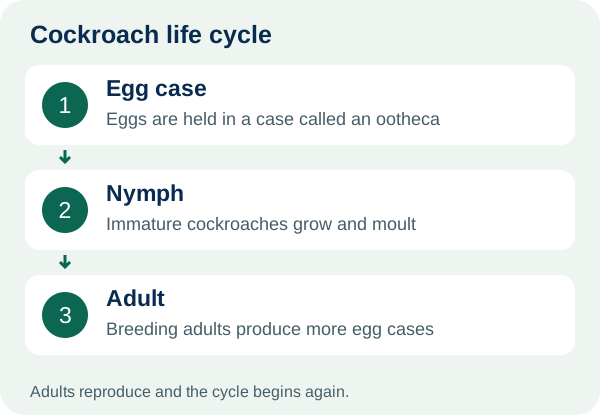
Cockroaches develop from eggs to nymphs to adults, without a pupal stage. Breeding rates and egg-case sizes vary between species, so correct identification comes first. The photo shows a German cockroach; other cockroach species look different.
Carpet beetles and “woolly bears”
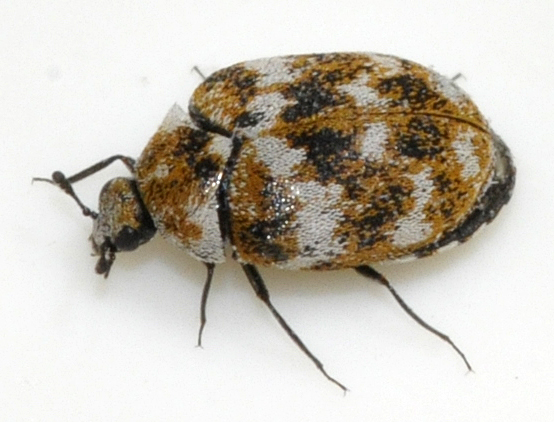

Carpet beetle larvae are often called woolly bears because of their hairy appearance. Shed larval skins can be an early clue.
It is the larvae that damage materials such as wool, feathers, fur and hair. Adult carpet beetles feed on pollen and nectar. Finding an adult does not, by itself, show where larvae are feeding inside a property.
Check affected textiles and places where fluff, hair or debris collect. Careful vacuuming and locating the food source are useful parts of an assessment. Ask for identification if you are unsure what you have found.
Further reading: BPCA: Carpet beetle advice
Life cycle at a glance
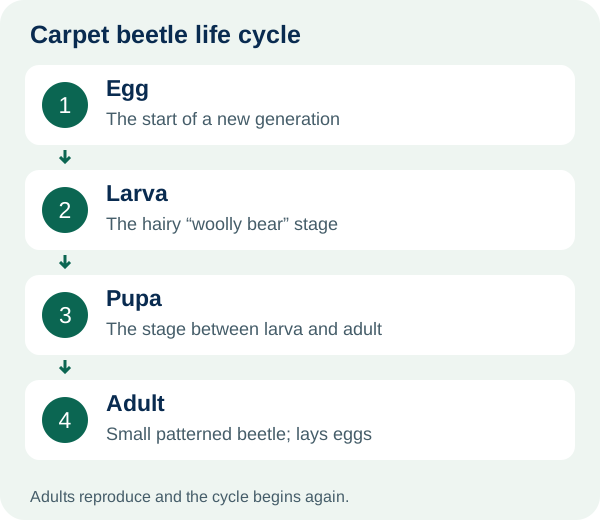
Carpet beetles pass through egg, larva, pupa and adult stages. The larvae cause damage to materials such as wool; the patterned adult in the photo is a different stage. Finding a beetle does not by itself confirm damage to your belongings.
Choosing the next step
Terry’s Pest Solutions can discuss inspection and suitable treatment for your situation. Send a clear photograph if possible, along with your postcode and the location of activity.
Tell us about pets, children and any products already used. Preparation and re-entry instructions will depend on the treatment agreed for the property.
LOCAL HELP WHEN YOU NEED IT
Ready for a clearer answer?
Arrange an inspection or discuss a quote with Terry’s Pest Solutions. Serving Swanley, Crockenhill, Sevenoaks, Eltham, Sidcup and Bexleyheath, with evening and weekend appointments.
Facts checked against the linked sources on 3 October 2026. Advice is general; preparation and aftercare depend on the agreed treatment and product instructions.