
What do bed bugs look like?
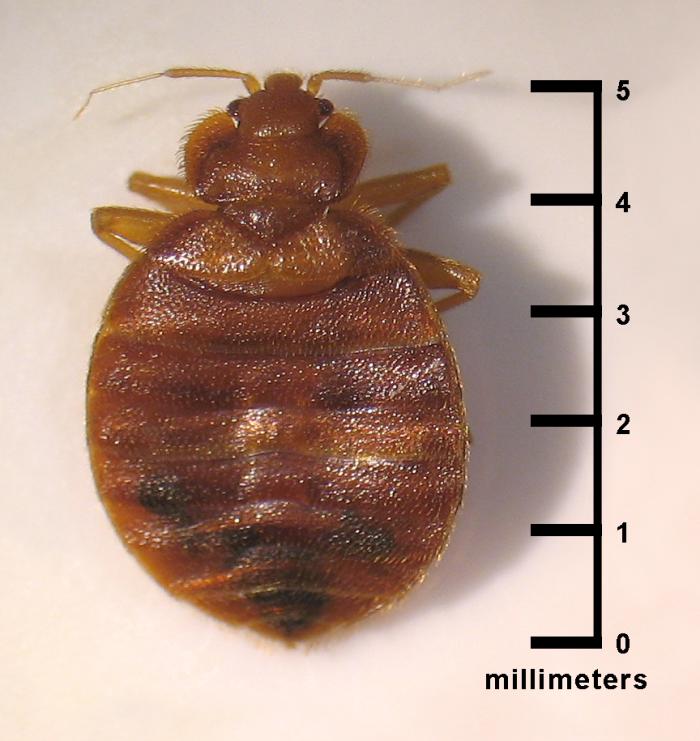
The common bed bug is Cimex lectularius. Adults are usually around 5–7 mm long, with a brown, oval body that is relatively flat before feeding. After a blood meal they become fuller and more reddish-brown.
Young bed bugs, called nymphs, are smaller and pale or translucent, making them easy to overlook. Eggs are tiny and pearl-white, around 1 mm long.
Bed bugs develop from an egg through five nymph stages before becoming adults. Finding one visible insect does not tell you whether eggs or smaller nymphs are also present.
Further reading: US EPA: Bed bug appearance and life cycle
Life cycle: how quickly do bed bugs multiply?
A female may lay around 200–500 eggs during her lifetime. Egg production varies with feeding and conditions.
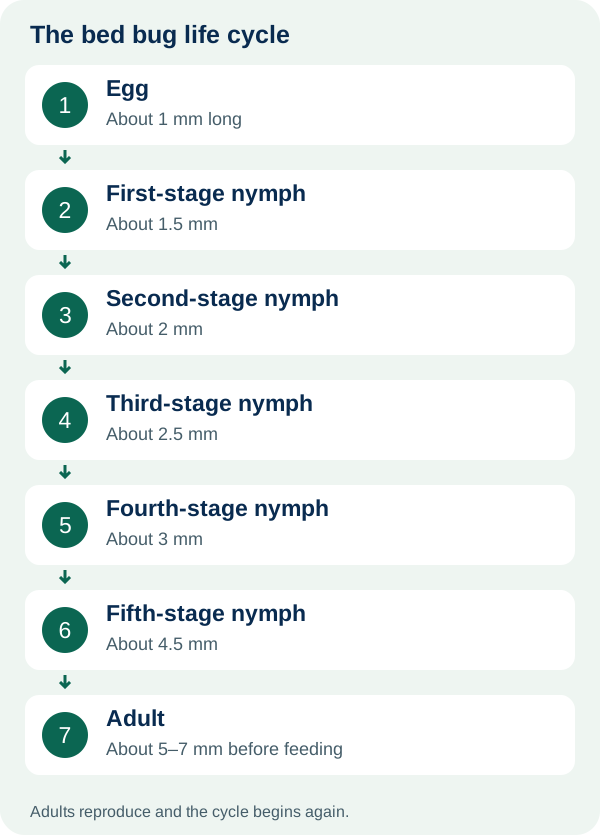
Bed bugs grow through five nymph stages. Each stage needs a blood meal before moulting to the next. In favourable conditions, the cycle from egg to an adult laying eggs can take around four to five weeks. Cooler conditions can slow development.
Facts checked against the US EPA’s bed bug guidance and appearance and life-cycle guide.
Signs worth checking
Look for several pieces of evidence together. Bites on their own cannot confirm bed bugs.
- Live insects near sleeping or resting areas.
- Small dark faecal marks on a mattress, bed frame or upholstery.
- Blood spots or smears on bedding.
- Shed skins, pale eggs or empty eggshells.
Use a torch to check mattress seams, headboard joints, the bed frame and nearby furniture. Bed bugs also hide behind skirting boards, pictures and loose wallpaper. A sofa or armchair can be affected too.
A clear photograph or a safely contained insect can help with identification. Avoid assuming every mark on bedding is evidence of an active infestation.
Further reading: BPCA: Bed bug advice · NHS: Bedbugs
How do they get into a home?
Bed bugs can arrive on luggage, clothing, bags or second-hand furniture. They can also spread between rooms and neighbouring properties in buildings with shared accommodation.
They can occur in clean homes as well as untidy ones. Finding bed bugs is not a reason to feel embarrassed: the useful next step is confirming the pest and planning control.
Further reading: BPCA: Bed bug advice
What about bites?
Bites can be itchy, raised and grouped together, but reactions vary. Some people experience swelling. The appearance of a bite is not a reliable way to identify the insect responsible.
For irritation, keep the skin clean, avoid scratching and ask a pharmacist for advice. The NHS recommends seeing a GP if bites remain very painful, swollen or itchy after pharmacy treatment, or if pain or swelling spreads.
See the NHS page below for current guidance on symptoms and care.
Further reading: NHS: Bedbugs
What to do if you suspect bed bugs
- Confirm the evidence. Make a note of affected rooms and photograph anything you find.
- Contain affected items. Bag bedding and clothing before moving them for laundering, rather than carrying them loose through the property.
- Reduce clutter carefully. Avoid moving suspect furniture into other rooms.
- Ask before throwing furniture away. Many items can be treated; disposal can spread the problem.
- Arrange an inspection. Explain any recent travel, second-hand furniture or activity in adjoining rooms.
Vacuuming can remove some insects. Seal the vacuum waste and dispose of it promptly in an outside bin. Cleaning is helpful, but it does not establish that every insect and egg has been removed.
Further reading: US EPA: Prevention and control tips · US EPA: Bed bug control
Getting ready for treatment
A preparation sheet will be provided for the agreed treatment. Use that sheet to check exactly which rooms and items need attention.
- Bag affected laundry before taking it out of the room.
- Where fabric care labels allow, the NHS recommends a 60°C wash and hot tumble drying for at least 30 minutes.
- Provide access to beds, furniture, floor edges and the areas named in your instructions.
- Keep cleaned items separate from untreated items.
- Explain in advance if heavy furniture, delicate fabrics, children or pets affect preparation.
Do not try to heat a room with portable heaters or by turning up the thermostat. This is not a reliable bed bug treatment and can be dangerous.
Further reading: NHS: Bedbugs · US EPA: Prevention and control tips
What does professional treatment involve?
Terry’s Pest Solutions begins with an inspection and discussion of the evidence. The proposed work, preparation, price and any included follow-up visits will be explained before you proceed.
Control can require several measures and repeat visits. Hidden eggs, hard-to-reach insects and spread between rooms can complicate treatment. A single spray is not a promise that an infestation has been resolved.
Follow the specific re-entry, cleaning and monitoring instructions provided after treatment. Report further sightings and avoid adding other sprays without discussing them first.
Further reading: US EPA: Bed bug control
Reducing the chance of bringing them home
Inspect second-hand furniture before bringing it indoors. Check luggage and clothing after staying somewhere with known bed bug activity. Reducing clutter around a bed can make inspection easier.
These steps reduce opportunities for an unnoticed problem. They cannot guarantee that bed bugs will never enter a property.
Further reading: NHS: Bedbugs · US EPA: Prevention and control tips
Bed bug questions
Do I have to replace my mattress?
Not automatically. Ask for an assessment before discarding it; many affected items can be treated.
Can they be in the living room?
Yes. Bed bugs can hide in upholstered furniture and other places close to where people rest.
Can you tell from a picture of bites?
Bites alone do not confirm bed bugs. A photograph of an insect or physical signs is more useful for pest identification.
How long will treatment take?
It depends on the extent of the problem, access, preparation and the treatment plan. The expected process and follow-up will be discussed after assessment.
Further reading: BPCA: Bed bug advice · US EPA: Prevention and control tips · US EPA: Bed bug control
LOCAL HELP WHEN YOU NEED IT
Ready for a clearer answer?
Arrange an inspection or discuss a quote with Terry’s Pest Solutions. Serving Swanley, Crockenhill, Sevenoaks, Eltham, Sidcup and Bexleyheath, with evening and weekend appointments.
Facts checked against the linked sources on 3 October 2026. Advice is general; preparation and aftercare depend on the agreed treatment and product instructions.