
The rats most often found in the UK
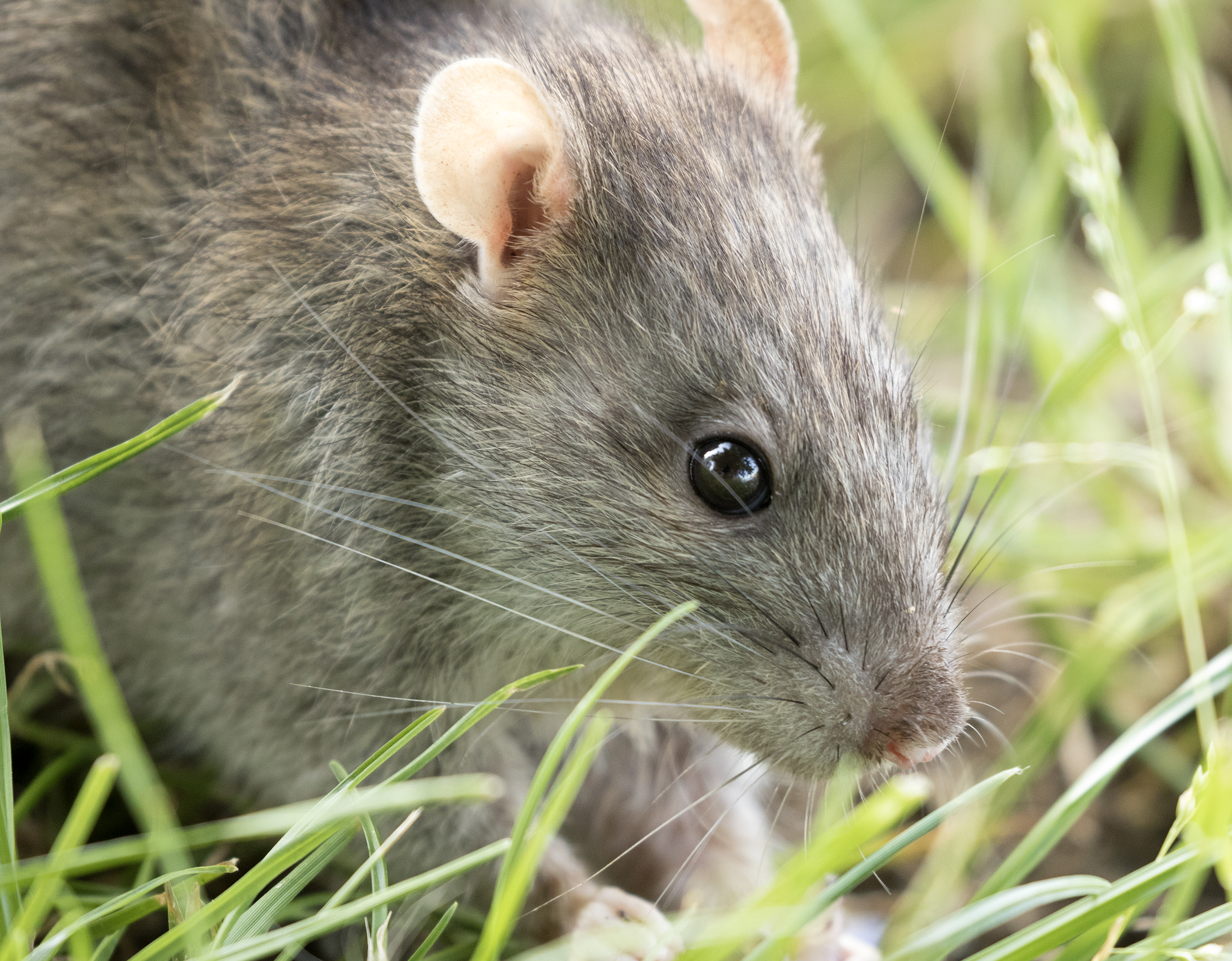

The brown rat (Rattus norvegicus) is the most common rat pest in Britain. Black rats are much less common.
Adult brown rats are substantially larger than house mice, with a heavier build and a tail shorter than their head and body together. Young rats can be mistaken for mice, so size alone is not enough to identify every sighting.
Further reading: BPCA: Rat advice · Bromley Council: Rodent prevention
Life cycle and breeding
Brown rats give birth to live young. Pregnancy lasts around 21–22 days. A female may have around 4–6 litters in a year when conditions allow.
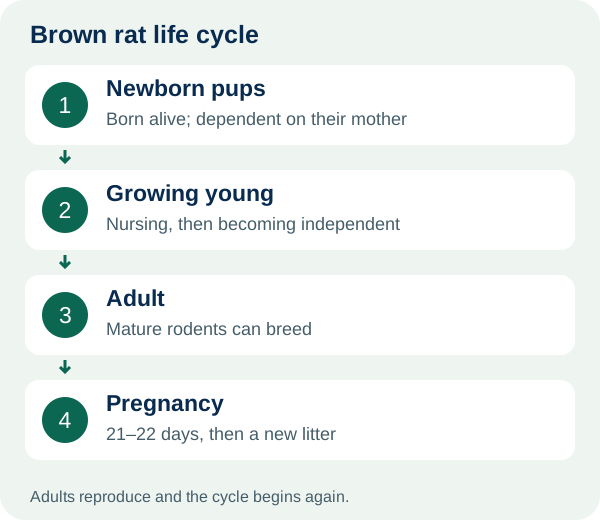
These are typical figures, not a prediction for every animal. Food, shelter and conditions affect breeding. That is why identifying entry points and reducing access to food matters alongside treatment.
Sources: CDFA’s Norway rat handbook and University of California IPM.
Signs of rat activity
- Dark droppings, usually larger than mouse droppings.
- Gnawed packaging, timber, pipes or cables.
- Greasy rub marks along regularly used routes.
- Scratching or movement in voids.
- Burrows around sheds, banks or garden structures.
Noises can have other causes. A combination of physical signs is more useful than sound alone.
Further reading: BPCA: Rat advice
Where they live and how they enter
Brown rats seek food, water and shelter. Outdoors they may burrow beneath sheds or in banks; indoors they can use wall cavities, roof spaces and areas beneath floors.
Possible access routes include gaps around services, damaged drains and open doors. An inspection should consider the outside of the building as well as the rooms where activity was noticed.
Further reading: BPCA: Rat advice · Bromley Council: Rodent prevention
Practical prevention around the property
- Keep bin lids closed and replace damaged containers.
- Clear spilled bird food and avoid leaving surplus feed out.
- Reduce piles of debris and dense cover near buildings.
- Repair leaking taps and other water sources.
- Check doors, service gaps and drain covers for damage.
Ask for a proofing assessment when activity is present. The materials and timing should fit the property and control plan.
Further reading: BPCA: Rat advice · Bromley Council: Rodent prevention
Why it needs attention
Rodents can contaminate food and surfaces. Gnawing can also damage cables and pipework. Keep children and pets away from affected areas and avoid handling rodents or droppings with bare hands.
Do not dry-sweep or vacuum untreated droppings: this can lift contaminated particles into the air. Wear gloves, use an appropriate disinfectant according to its label and allow the stated contact time before wiping up. Wash your hands afterwards. Heavy contamination needs professional advice.
Further reading: BPCA: Rat advice · CDC: Cleaning up after rodents
When to arrange a visit
Get in touch if you see rats indoors, repeatedly find signs in the garden or suspect an entry route into the building. Share the location of activity and any useful photographs.
Terry’s Pest Solutions can discuss inspection, treatment, monitoring and proofing. The proposed work and costs are agreed first. If a drain issue is suspected, further investigation may be needed.
Rat questions
Does seeing one rat mean there is a nest in my house?
No. A sighting is useful evidence, but the location and extent of activity need assessment.
Will bait solve the entry problem?
Control and prevention have different roles. An assessment should also consider food sources, shelter and entry routes.
Can I block every gap straight away?
Discuss active signs and suspected entry points first. Proofing should be planned around the property and treatment rather than done at random.
LOCAL HELP WHEN YOU NEED IT
Ready for a clearer answer?
Arrange an inspection or discuss a quote with Terry’s Pest Solutions. Serving Swanley, Crockenhill, Sevenoaks, Eltham, Sidcup and Bexleyheath, with evening and weekend appointments.
Facts checked against the linked sources on 3 October 2026. Advice is general; preparation and aftercare depend on the agreed treatment and product instructions.