
Small rodents, important differences
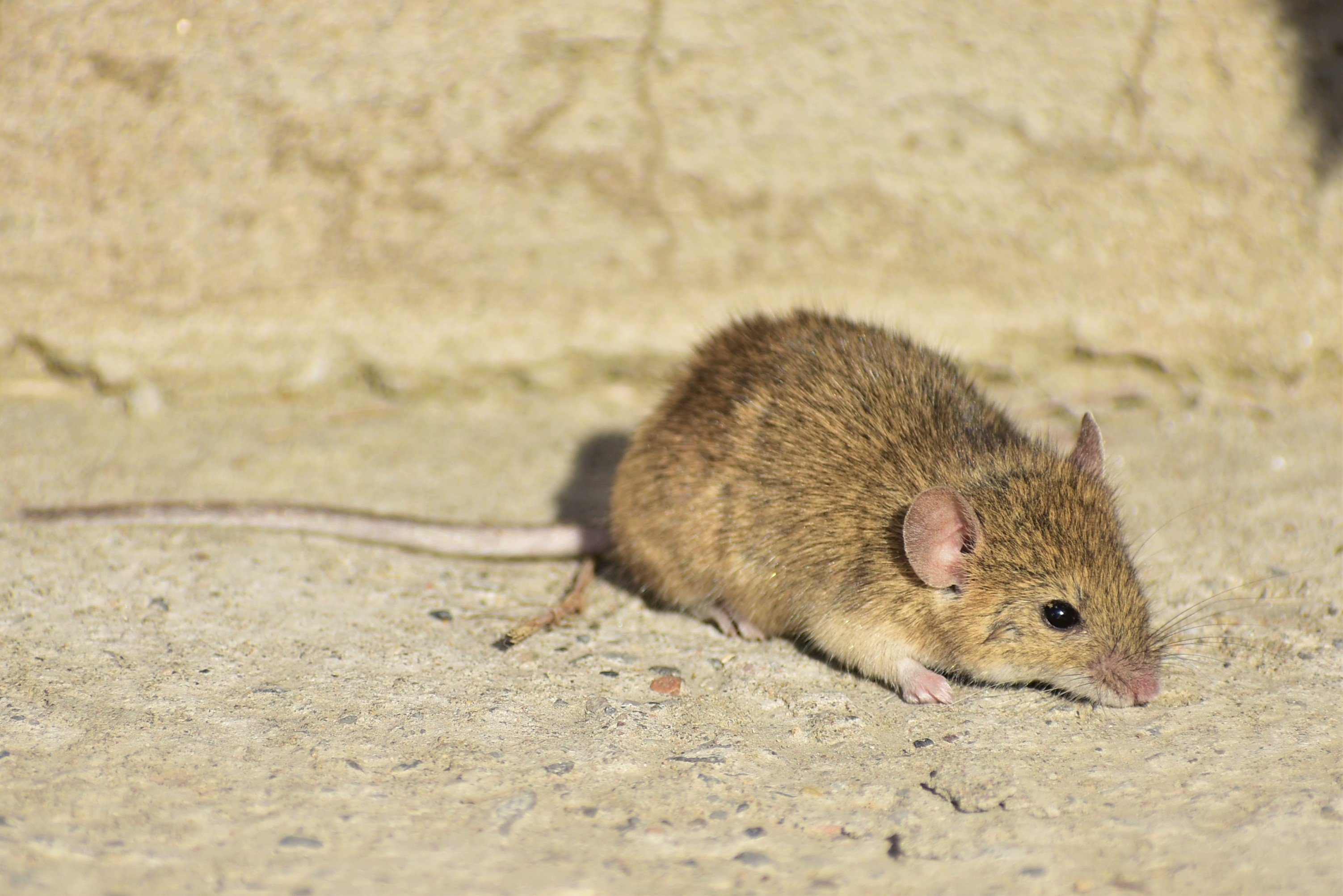

The house mouse (Mus musculus) is a common pest in buildings. Field mice may also enter properties, especially when seeking shelter.
House mice are small, with a pointed snout, prominent ears and a slender tail. A young rat, vole or shrew may be confused with a mouse. Correct identification matters before deciding on control.
Further reading: BPCA: Mouse advice
Life cycle and breeding
House mice give birth to live young. Pregnancy lasts around 18–21 days. A female may have around 5–10 litters in a year when conditions allow.
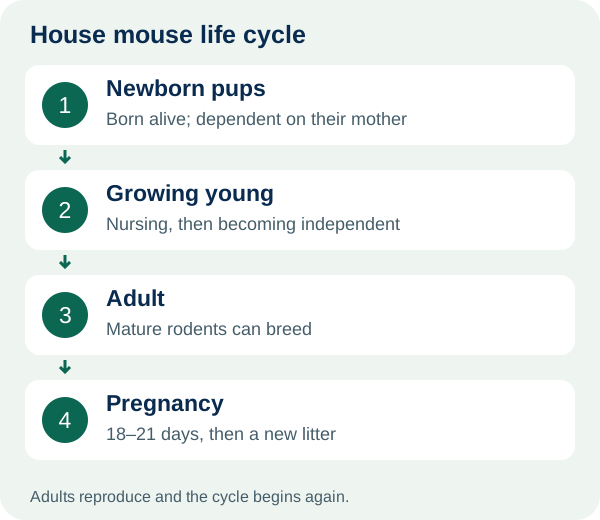
These are typical figures, not a prediction for every animal. Food, shelter and conditions affect breeding. That is why identifying entry points and reducing access to food matters alongside treatment.
Sources: University of California IPM.
What to look for
- Small, dark droppings in cupboards or sheltered areas.
- Chewed food packets or other gnawing damage.
- Dark rub marks along edges and routes.
- Nesting material in hidden spaces.
- An ammonia-like smell in enclosed areas.
Look around kitchen storage, beneath sinks and in accessible under-stairs cupboards. Record where signs occur; do not handle droppings to test whether they are fresh.
Further reading: BPCA: Mouse advice · Bromley Council: Rodent prevention
Why mice can be difficult to spot
Mice can live under floors, in wall cavities and in roof spaces. They are agile climbers and can enter through very small gaps. They are active throughout the year, rather than hibernating.
They feed on small amounts from different sources. One accessible bag of food or repeated crumbs can make a property attractive even when the rest of the kitchen looks tidy.
Further reading: BPCA: Mouse advice
Making the property less inviting
- Keep dry foods and pet food in robust, sealed containers.
- Clean up food spills promptly and keep waste covered.
- Clear unnecessary stored materials from hidden spaces.
- Inspect accessible gaps around pipes, cables and doors.
- Arrange suitable repairs or proofing as part of the plan.
Rodents can climb, so the inspection should not stop at floor level. If you are seeing activity, explain it before proofing work is carried out.
Further reading: Bromley Council: Rodent prevention
Cleaning and protecting food
Keep potentially contaminated food away from use. Rodent signs in food-storage or preparation areas need prompt attention.
Do not dry-sweep or vacuum untreated droppings: this can lift contaminated particles into the air. Wear gloves, use an appropriate disinfectant according to its label and allow the stated contact time before wiping up. Wash your hands afterwards. Heavy contamination needs professional advice.
Further reading: Bromley Council: Rodent prevention · CDC: Cleaning up after rodents
What happens at a visit?
An inspection looks for signs, accessible hiding places and possible entry points. You’ll receive an explanation of the findings and the proposed treatment, with any visits and costs agreed before work goes ahead.
Prepare by recording sightings and making relevant cupboards accessible. Follow any treatment-specific advice about bait stations, monitoring and proofing.
Mouse questions
Does one mouse mean there are more?
It is possible, but a sighting cannot tell you how many are present. Further signs and monitoring help establish activity.
Can mice get into upper floors?
Yes. Mice climb and may use roof spaces and wall cavities.
Is a tidy home protected from mice?
Good hygiene helps reduce food sources, but access and shelter matter too. A tidy home can still have an entry point.
Further reading: BPCA: Mouse advice · Bromley Council: Rodent prevention
LOCAL HELP WHEN YOU NEED IT
Ready for a clearer answer?
Arrange an inspection or discuss a quote with Terry’s Pest Solutions. Serving Swanley, Crockenhill, Sevenoaks, Eltham, Sidcup and Bexleyheath, with evening and weekend appointments.
Facts checked against the linked sources on 3 October 2026. Advice is general; preparation and aftercare depend on the agreed treatment and product instructions.